Facilitated Learning
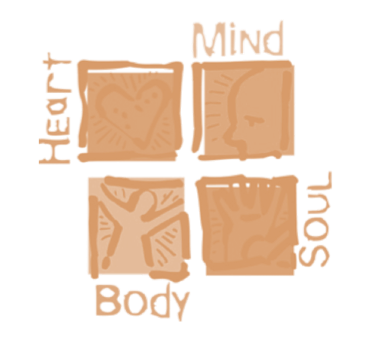
The union of mind, body, heart, and soul.
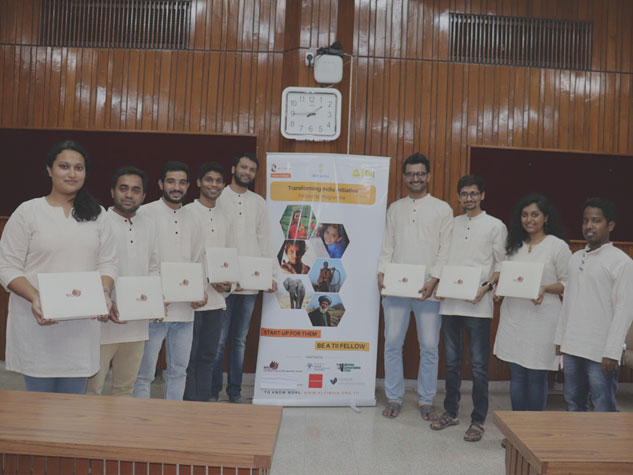
"Entrepreneurship is neither a science nor an art. It is a practice." - Peter Drucker Built on the belief that being a successful entrepreneur is as much about the heart and soul as the mind and body, the curriculum is built around four key components
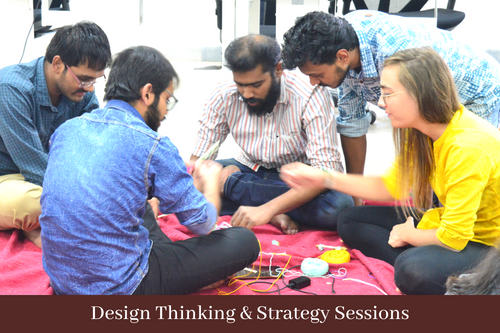
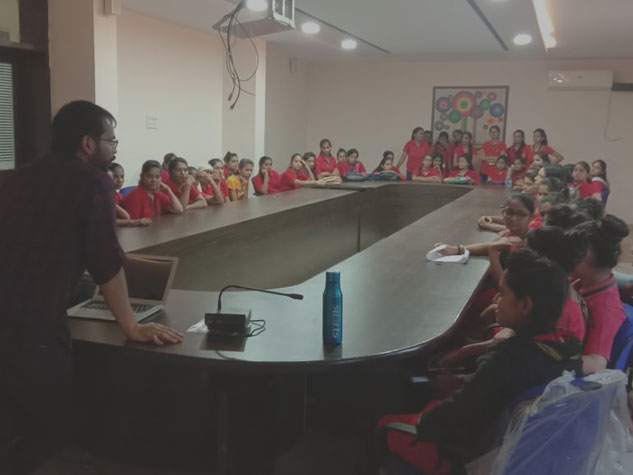
During the facilitated learning, participants will learn from practitioners who have grassroots experiences in the development space. The practitioners are leaders and prominent members of organizations like UNDP, World Bank, Caspian Impact Investments, Tata Institute of Social Sciences, Indian Institute of Management, Institute of Rural Management Anand, St. Stephen's College, Great Lakes Institute of Management and many others.
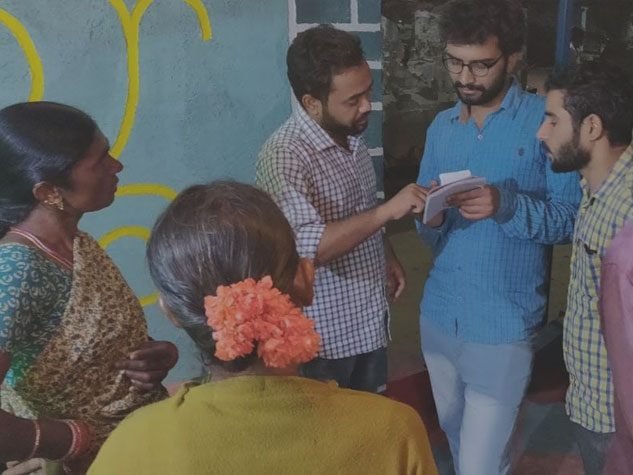
Through a combination of practice, reflection and probing: the practitioners push the thoughts, beliefs and ideology of participants. The practitioners use real-world application of skills to enhance the learning outcomes. By professionally engaging the participants in the field, with enterprises and live interactions - the practitioner ensures that the skills and mindsets required for the future of social entrepreneurs are built.
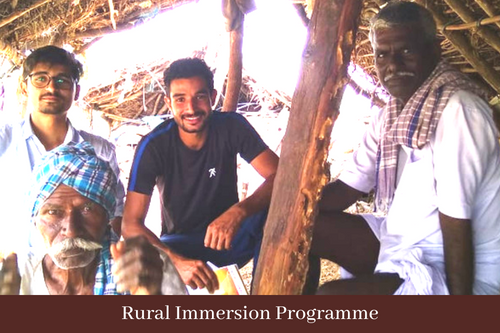
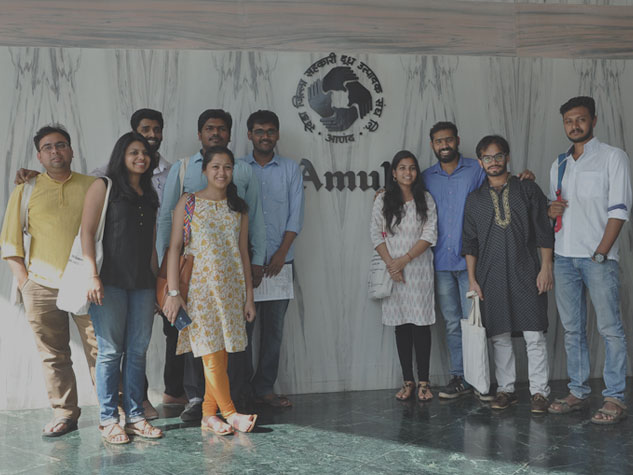
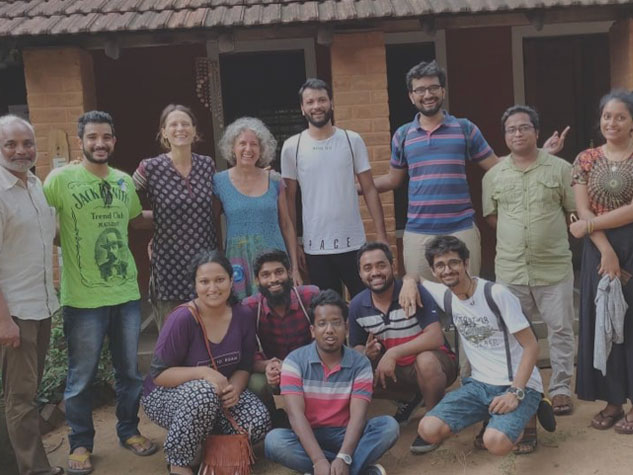
The programme offers six travel workshops in the following six themes: Rural India, Urban Communities, Collective Societies, Green Enterprises, Women-Led Enterprises and self-discovery. The participants travel across India to Andhra Pradesh, Gujarat, Karnataka and Pondicherry (Auroville) to experience the realities, context, challenges, innovations and also meet extraordinary individuals who have been continuously innovating in these areas.
Each travel workshop is a unique seven-day experience that provides a platform to maximize the entrepreneurial potential in any context. Over the course of the workshops, participants will examine the economic, social and environmental impact of social-enterprises from a domestic and global perspective, and develop new entrepreneurial perspectives.
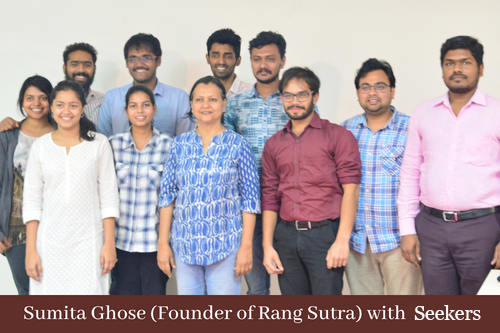
For the programme to be effective in creating passionate and skilled social entrepreneurs, we give the participants an opportunity to learn from experienced practitioners who are part of the entrepreneurial ecosystem. With this in mind, every Saturday is designed to be spent interacting with a social entrepreneur. During these workshops, the practitioners are expected to share their journey of establishing, growing and running their enterprise. Through this, the participants also build a practical perspective and a network of ecosystem builders from all sectors, categories and demographics.
Our engagements so far had involved many individuals including: Mr. Vijay Mahajan (Founder of BASIX Groups), Sumita Ghose (Founder of RangSutra), Anish Andheria (President of Wildlife Conservation Trust), S. K. Shelgikar (Advisor for Yunus Social Business), Ajit Kanitkar (Consultant to Tata Education and Development Trust) and Rajendra Joshi (Founder of Saath Livelihoods).
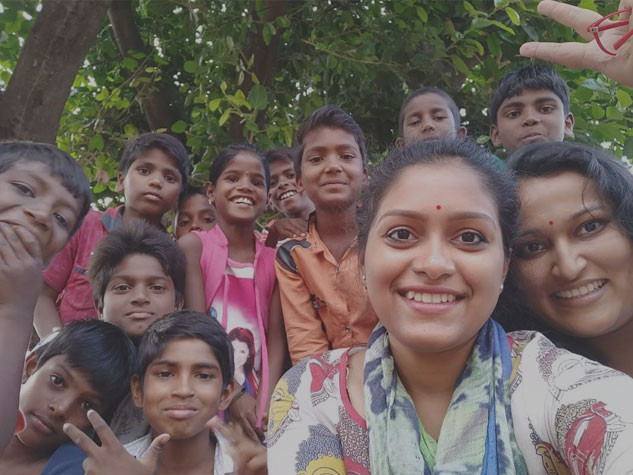
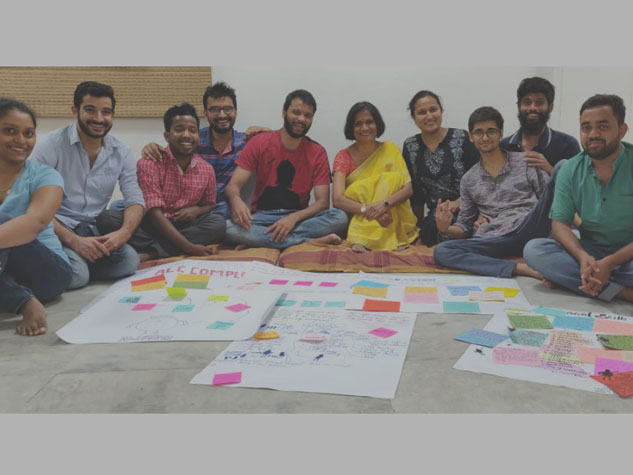
The role of Engagement Activities is to build the cohort into a collective that will together work towards a shared vision. During the Engagement Activities, the participants come together to design, develop and implement (or be a part of) social-activities: supporting local NGOs, learning new skills, trying a different art, farming with locals or exploring a new travel destination.
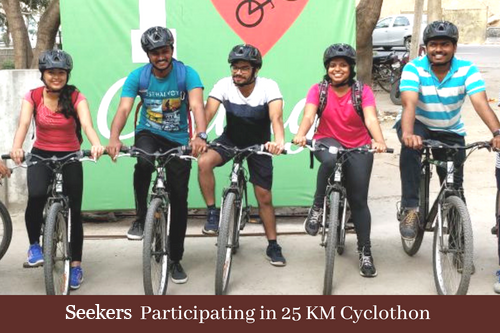
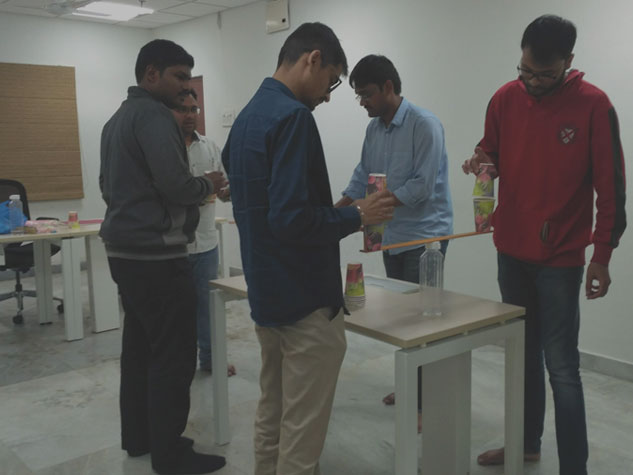
As part of this, our participants have engaged in cycling across Hyderabad for a day, used sustainable resources to build effective learning in low-income classrooms and orphanages, participated in a Music Festival and Heritage Walks.
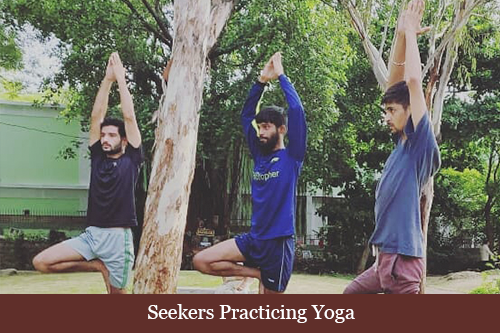
We aim for holistic growth of our participants. As much as our participants work on their entrepreneurial skills and mindset, they also give equal attention to their physical well being. Various physical fitness activities like Cycling, Kung fu, Yoga etc are organized during the program.
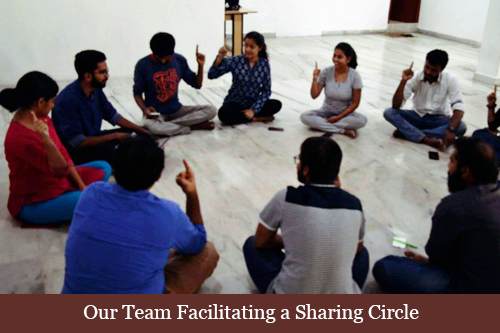
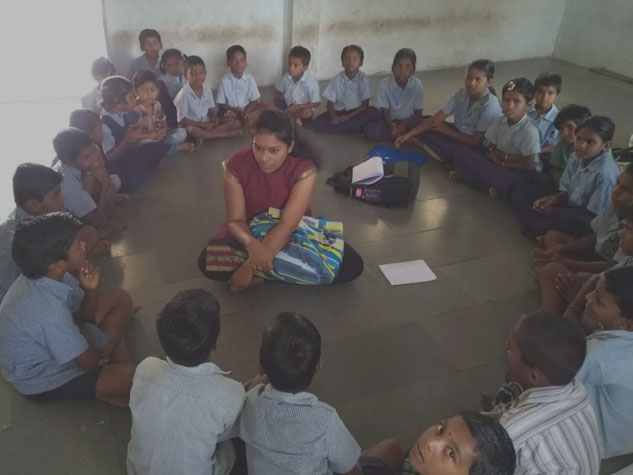
Sharing Circles are small-group discussions which are an integral part of the curriculum where our participants share their feelings, experiences, and insights in response to specific, assigned topics. They build a sense of community and facilitate the process of self-transformation.