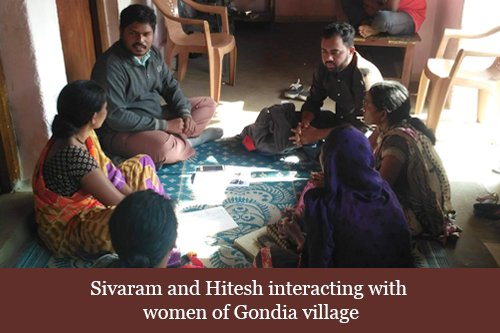
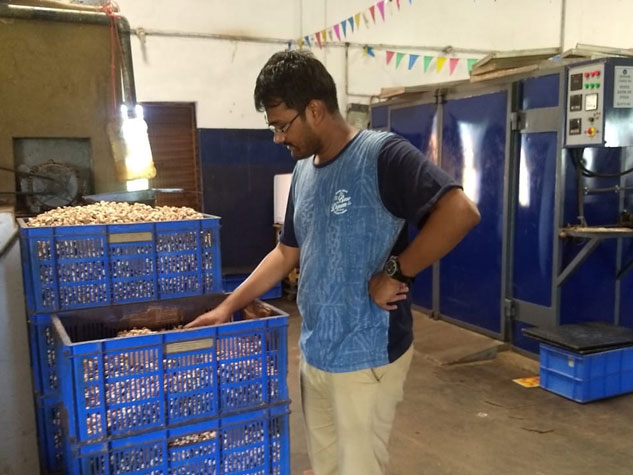
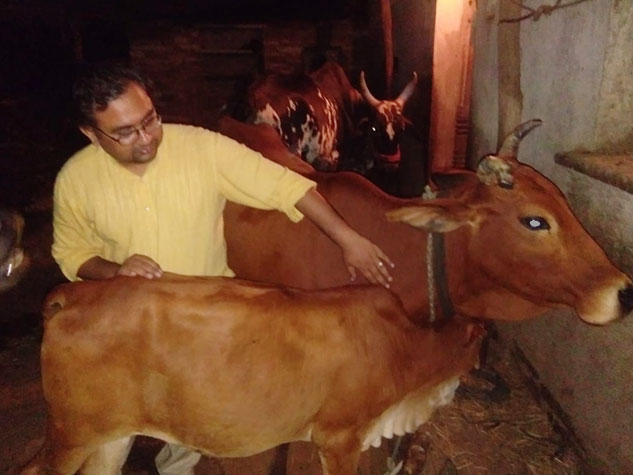
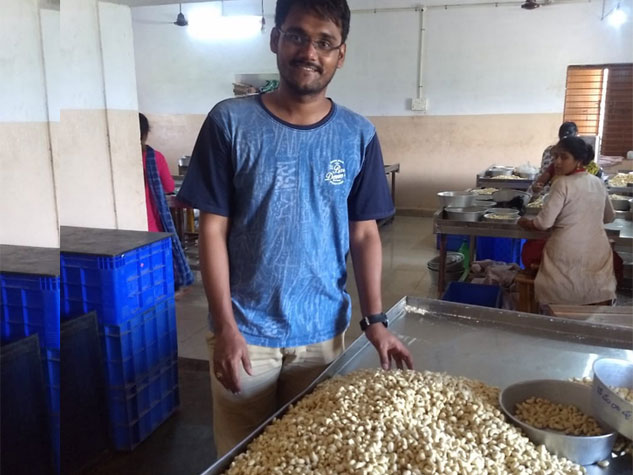
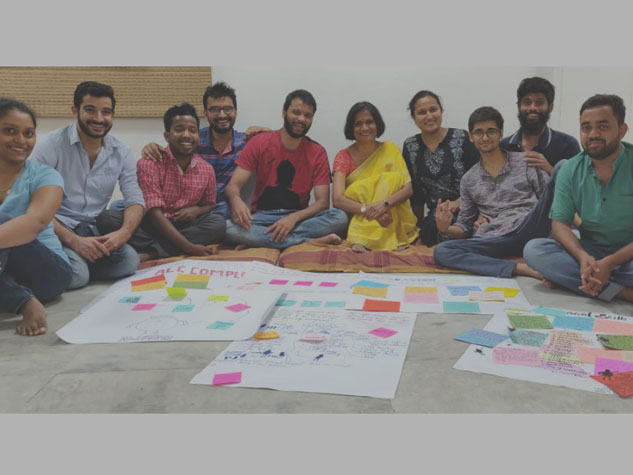
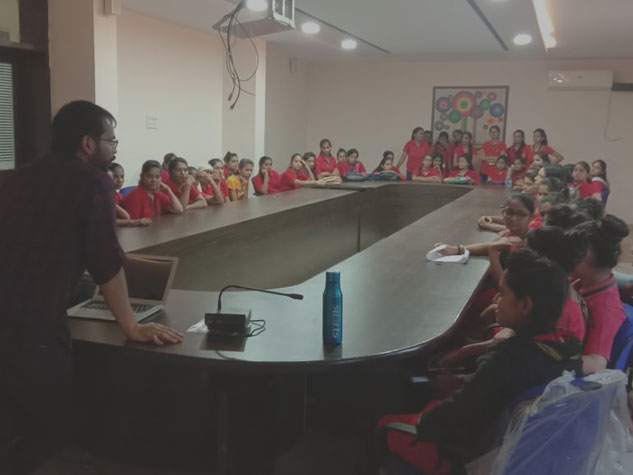
The experiential learning will give participants 4320 hours of entrepreneurial practice, hands-on training and insights into establishing, running and scaling an enterprise.

The reason for building the programme on the experiential learning framework is

  • Most youngsters today come with a lot of classroom knowledge but very little practical experience. And entrepreneurship is almost completely about practice.
  • And the decision to be an entrepreneur is to a large extent about having the right mindset and perception of risk. By working directly with an experienced entrepreneur, entrepreneurship is demystified the social entrepreneurship

Where will I be placed?

Small or mid-level enterprise
Belongs to one of the four categories: Green/Women/ Collective/Social
Where the participant can add significant value
Where the CEO/founder is willing to work directly with the participant

What will I do there?

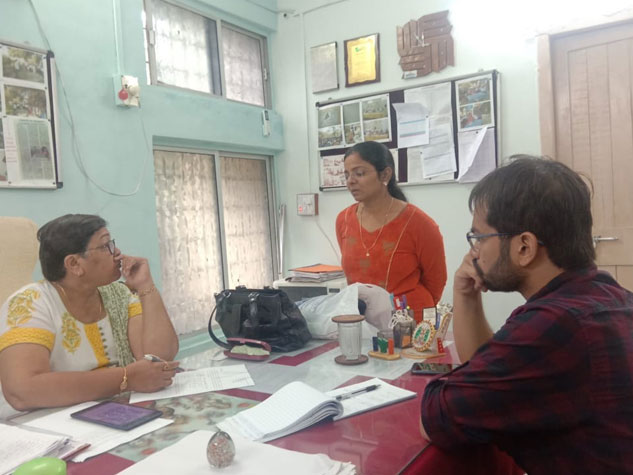
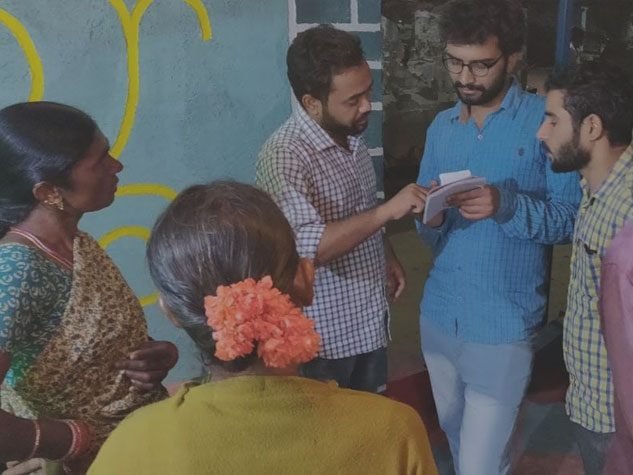
The participants will work directly with the founder in solving five growth challenges, which are identified by the programme team in consultation with the core team of the enterprise where they are placed.

These challenges will be in different domains and will be dealt with by the participants in increasing levels of complexity.

During this process, they will pick up on entrepreneurial skills, reflective practice, and interact with brilliant minds and mentors of their chosen field.

By coming in direct contact with the founders of social enterprises, they will become part of a network of people who have built India and be privy to knowledge and experiences covering all aspects of life.

In 24 months, RLI participants will not just study but work with 60 entrepreneurs and build 30 enterprises making them able to succeed in the markets. Their work will be structured around solving 5 key challenges that are identified by the programme team, in consultation with the social enterprise.

The complexity of these challenges will increase during the course of the experiential learning.
Features of Practicum


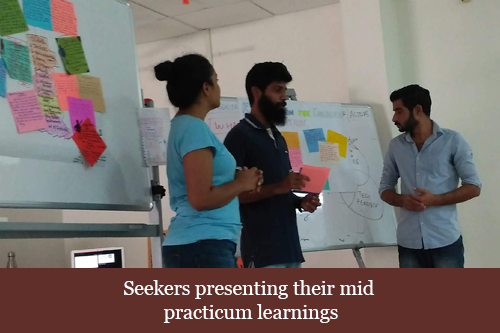
Reflection Workshops

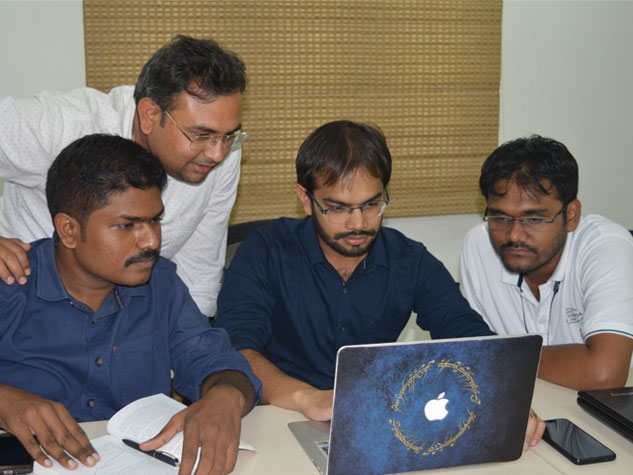
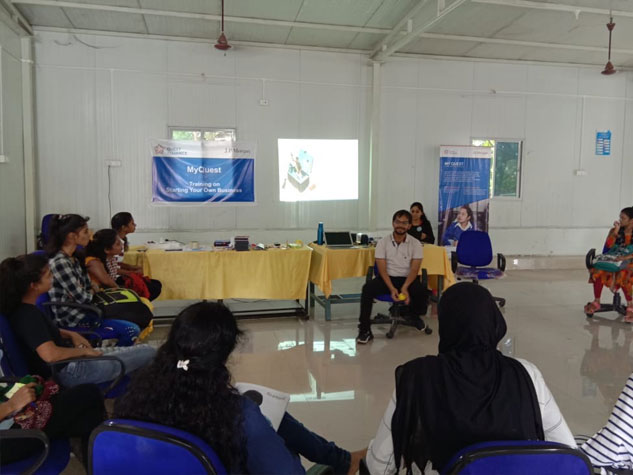
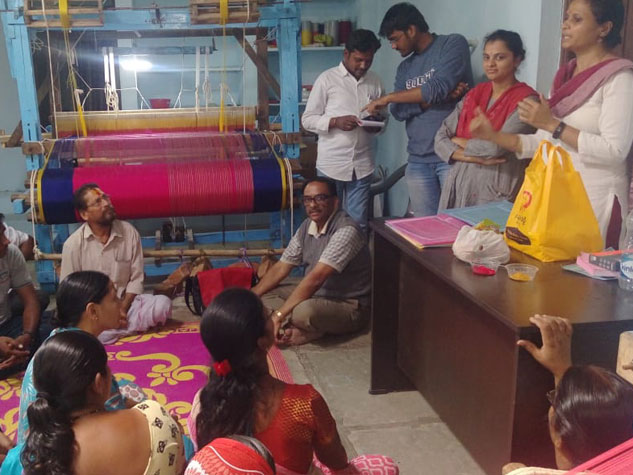
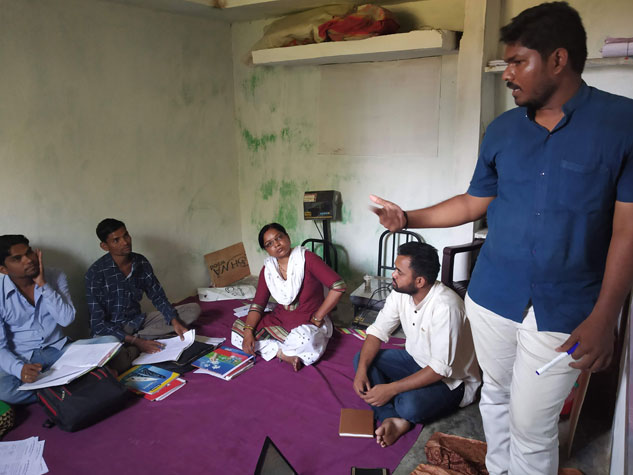
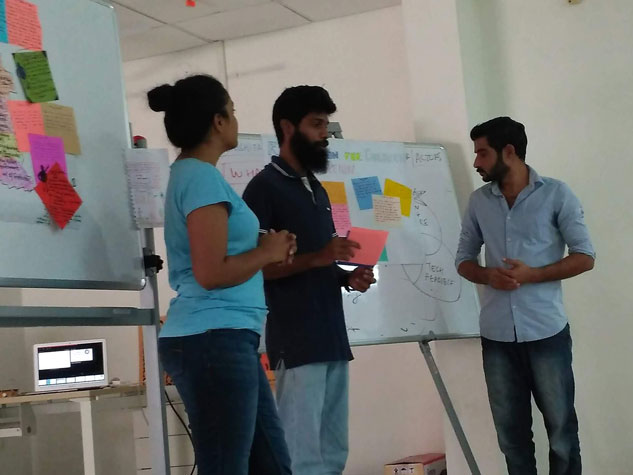
Reflection workshops are an important part of the Practicum. These workshops are spaces for participants to come back to the base, discuss ideas with each other and Access Livelihoods’s team. The objective of the reflection workshop is for participants to present their project progress, get feedback from experts and plan the coming months of Practicum.
Acceleration Initiative

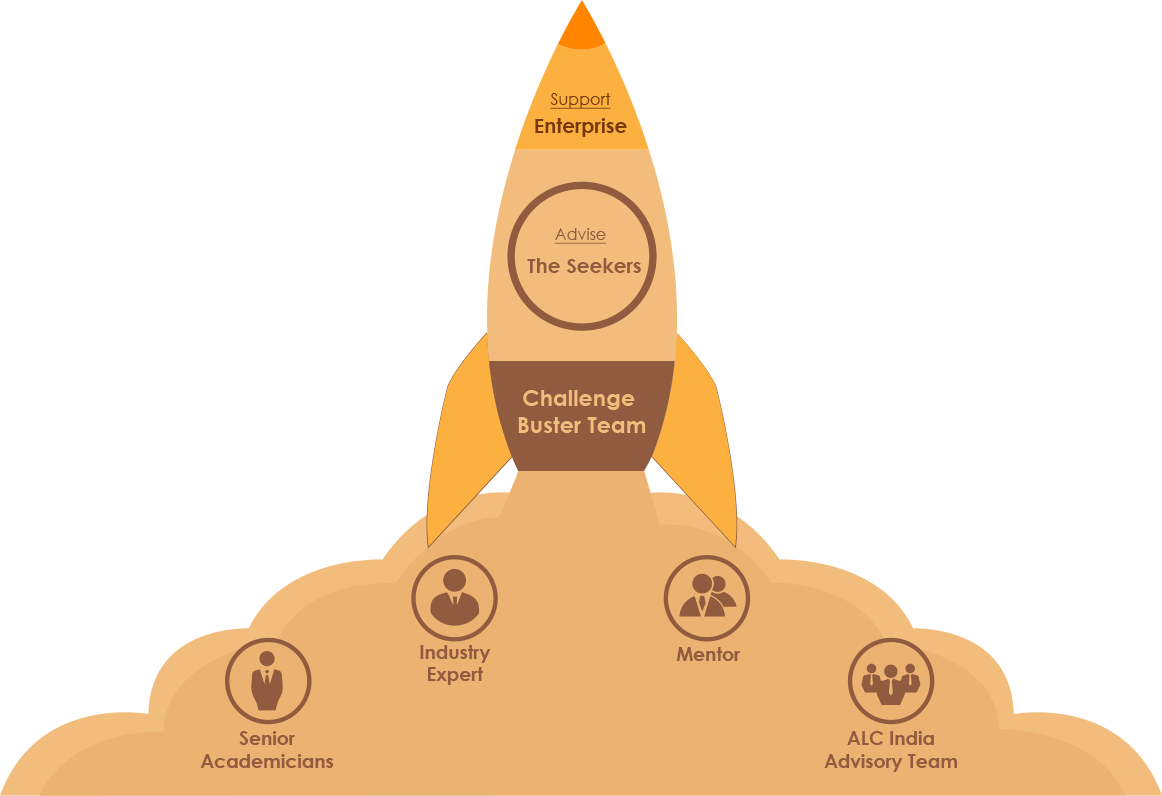
Two participants will be placed in each enterprise that is selected for the acceleration process. While the practicum period is designed to be an experiential learning process for the participants, the acceleration support provided for the enterprises is of equal importance. The participants will serve as on the ground coaches for the enterprise, providing guidance and facilitating access to resources and expertise as required by the enterprises. They will be supported by a Challenge Buster Team of senior academicians, industry experts, peer mentor and the Access Livelihoods advisory team.

Participants Stories